Top Bifold Doors for Patio Use
Discovering Style: The Ultimate Guide to Bifold Doors for Your House
As a significant enhancement for modern homes, bifold doors have emerged. They offer a unique blend of practicality and style, enabling a smooth transition from interior to exterior areas. With various materials and design options available, homeowners can tailor these doors to fit their aesthetic preferences. However, picking the ideal bifold doors requires more than considering looks alone. Comprehending their operational features and setup process is crucial for optimizing their advantages. Exploring these aspects reveals much more.
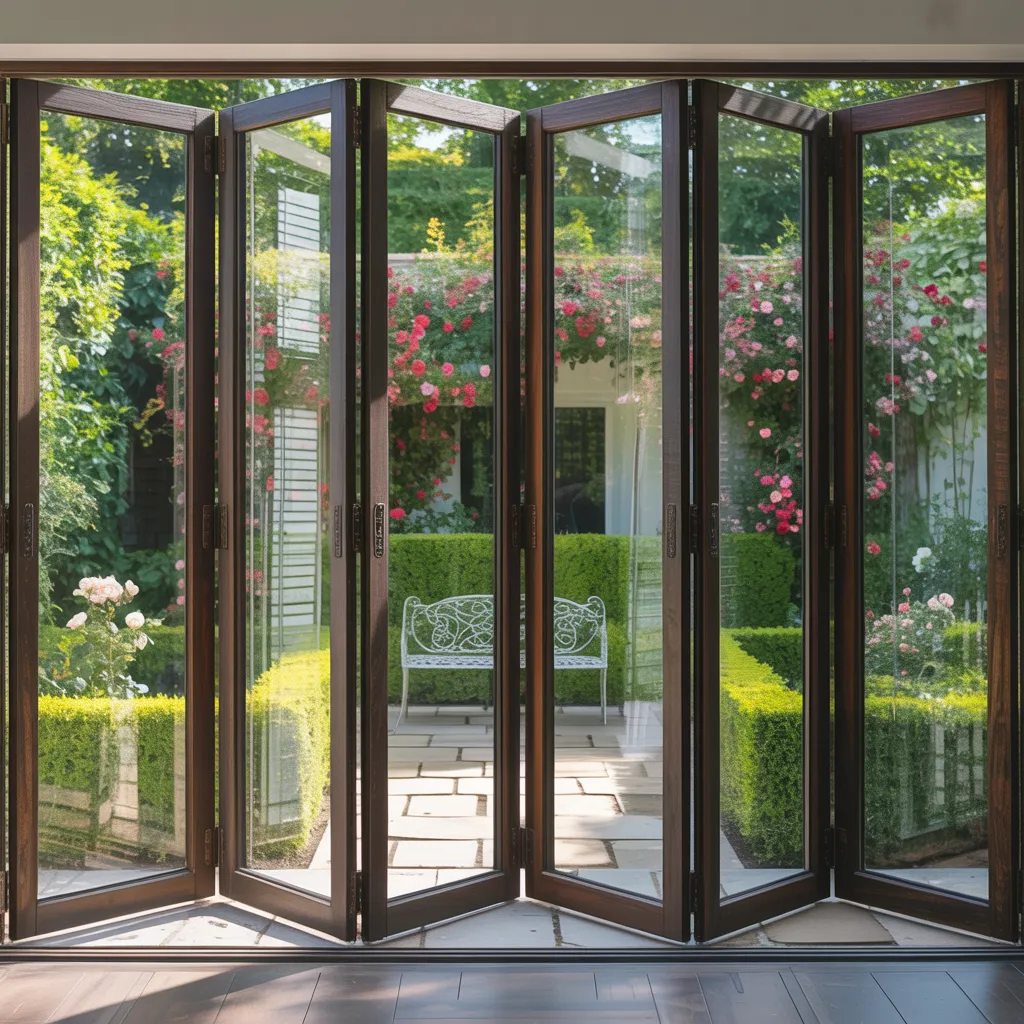
Learning About Bifold Doors: Their Purpose and Operation
Bifold doors function as a modern architectural answer that fluidly connects indoor and outdoor environments. These door systems feature several panels that collapse and gather to one side, producing an expansive opening. Usually constructed from lightweight materials, bifold doors function on a rail mechanism, enabling effortless and fluid operation. When opened, they provide an unobstructed view and enhanced airflow, making them ideal for patios, gardens, and open-concept living areas. Moreover, bifold doors can be personalized in numerous sizes and layouts, addressing various architectural aesthetics and requirements. Their construction not only optimizes natural illumination but also elevates the visual charm of a residence, combining practicality with sophistication. Overall, bifold doors represent a modern solution for enhancing living environments.

Picking the Correct Material for Your Bifold Doors
Choosing the right material for bifold doors considerably impacts their performance, lifespan, and overall aesthetic. Typical materials include timber, aluminum, and vinyl, each offering distinct advantages. Wood offers a timeless, warm look but requires routine maintenance to avoid warping and rot. Aluminum is highly durable, protected against the elements, and demands very little upkeep, making it suitable for current designs. Vinyl, in contrast, delivers outstanding insulation and is low-maintenance, although it may not have the same visual appeal as wood or aluminum. Additionally, it is important to evaluate energy efficiency, as different materials can affect insulation properties. Finally, homeowners should weigh their own style preferences, budget, and maintenance demands when picking the best material for their bifold doors.
Design Choices: Finishes and Styles Worth Considering
When evaluating design options for bifold doors, homeowners can examine a selection of styles and finishes that boost both functionality and aesthetic appeal. Popular styles include current, traditional, and rustic, each offering unique visual characteristics. Contemporary bifold doors often showcase sleek lines and clean designs, while traditional options may integrate decorative molding and classic frames. Rustic styles, conversely, use natural wood finishes to create a warm, inviting atmosphere.
The type of finish also plays a crucial role in the final look. Options such as painted, stained, or natural finishes are available to suit any interior design scheme. Moreover, the choice of hardware like handles and hinges adds a personalized touch, providing opportunities for personalization that reflects personal taste and home design.
Measuring for Bifold Doors: A Guide
Accurate measurements are essential for installing bifold doors properly. To accomplish this, one must obtain the required tools and materials ahead of the measurement process. Following a clear set of steps will confirm that the measurements are exact, producing a successful installation.
Needed Equipment and Resources
To successfully measure for bifold doors, one must gather essential tools and materials that guarantee precision in the process. A dependable tape measure is crucial for capturing exact dimensions of the door opening. A level confirms the installation surface is even, preventing problems when fitting the doors. A pencil or chalk is needed for marking measurements on the wall or floor. Furthermore, a notepad assists in recording the measurements collected. For bigger openings, a helper might be advantageous to maintain the tape measure in position. Having these tools on hand will facilitate a smoother measurement process, ultimately leading to a better-fitting bifold door solution for any home.
Guidelines for Precise Measurements
Taking accurate measurements for bifold doors demands meticulous attention to detail to ensure a flawless fit. Start by taking width measurements of the opening at three different points—top, middle, and bottom—to check consistency. Record the smallest measurement. Then, measure the height from the floor to the top of the door frame, once more taking several measurements from various points to confirm accuracy. It's crucial to verify the depth of the opening too, especially if a frame will be installed. Moreover, examining the wall space around the opening can help identify the type of bifold door and its arrangement. By following these steps, homeowners can ensure they select the right bifold doors for their space.
Setup Guidelines for a Hassle-Free Installation
When installing bifold doors, thorough preparation is essential for a smooth setup. This involves collecting the necessary tools and making sure that the installation area is prepared. By adhering to these pre-installation steps, one can secure a more streamlined and productive installation process.
Preparation Steps Before Installation
Proper preparation is essential for ensuring a smooth installation of bifold doors. Before commencing the work, the homeowner should measure the door opening with precision, considering any irregularities in the frame. It is critical to confirm that the floor is level and in good condition, as this will directly determine the door's functionality. Furthermore, removing any obstacles, such as furniture or fixtures near the installation area, will create a unobstructed workspace. Checking the bifold door components for any damage in advance of installation will help eliminate delays later on. Lastly, examining the manufacturer's instructions thoroughly verifies that all precise requirements and recommendations are understood, enabling a better installation experience. Thorough preparation creates the basis for a successful bifold door fitting.
Essential Tools for Setting Up
Having confirmed that the installation area is ready, the next step entails gathering the required tools for the bifold door installation. Required tools include a measuring tape for exact dimensions, a level to verify the door hangs straight, and a drill for securing hinges and tracks. A stud finder is also essential to locate wall studs for adequate support. Moreover, a screwdriver set will be necessary for assembly, while a hammer can help with any adjustments. Safety goggles and gloves are advised to protect the installer during the process. Finally, a utility knife may be required for trimming any excess material. Having these tools prepared will enable a more streamlined and more efficient installation procedure.
Proper Maintenance for Extended Lifespan
Preserving bifold doors is vital for ensuring their durability and optimal performance. Regular cleaning is essential; homeowners should wipe down the doors with a mild detergent and water to eliminate dirt and debris that can result in wear. Examining the tracks for obstructions is just as crucial, as buildup can impede smooth operation. Oiling the hinges and tracks with a silicone-based spray will stop rust and promote seamless movement. Additionally, checking seals for deterioration helps maintain energy efficiency. It's advisable to handle any issues promptly to prevent more substantial repairs. Finally, periodic inspections can help identify potential problems early, guaranteeing that bifold doors remain both operational and visually appealing review now for years to come.
Improving Your Space: Imaginative Ways to Use Bifold Doors
Bifold doors do more than elevate the visual charm of a home but also provide flexible options for space management. Homeowners can creatively utilize bifold doors to seamlessly connect indoor and outdoor spaces, allowing natural light to flow while offering an breezy ambiance. In limited areas, they can replace traditional doors to create the illusion of a more spacious room, enhancing functionality without compromising style. Bifold doors also serve as effective room dividers, enabling flexible layouts for multi-purpose areas, such as home offices or playrooms. Moreover, they can be used to conceal closets or laundry areas, maintaining a neat and tidy appearance. In the end, bifold doors provide both utility and style, making them an excellent choice for improving any living space.
Your Questions Answered
Are Bifold Doors Energy-Efficient?
Energy efficiency is achievable with bifold doors, especially when constructed with insulated materials and double glazing. Their design permits better airflow and natural light, contributing to improved energy savings compared to traditional doors when installed correctly.
Can You Use Bifold Doors for Exterior Openings?
Indeed, bifold doors can be employed for exterior openings. They offer a effortless connection between indoor and outdoor spaces, elevating aesthetics while allowing plentiful natural light and airflow, making them a preferred choice for patios and gardens.
How Much Do Bifold Doors Generally Cost?
Bifold doors generally cost between $1,000 to $5,000, according to material choices, dimensions, and personalization options. Premium choices, which feature premium materials and advanced features, can exceed this range considerably, demonstrating superior craftsmanship and design.
Which Security Features Are Available for Bifold Doors?
Bifold doors often feature multi-point locking systems, reinforced frames, and strengthened glass for improved security. In addition, options like handle locks and security sensors can deliver extra protection against unauthorized access and intrusions.
Are Bifold Doors Appropriate for Small Spaces?
Small spaces are perfectly suited for bifold doors. They efficiently open up areas without requiring additional room for swinging, facilitating superior movement while optimizing daylight while preserving visual attractiveness in smaller areas.